What are the wave conditions like each month in Sayulita?
The main surf break at Sayulita is a rivermouth sandbar that works best on a northwest swell, which dominates from late autumn through early spring. Wave size and shape shift noticeably each month as the North Pacific storm track strengthens and retreats, and the afternoon onshore wind becomes a daily factor.
- November to February brings chest-high to overhead northwest groundswell with offshore mornings. The sandbar holds a long left and a shorter right, and the wind typically stays light until midday.
- March and April see the swell angle shift more westerly. Wave size drops to waist- to shoulder-high, and the afternoon sea breeze arrives earlier, around 11 a.m., making dawn sessions the cleanest choice.
- May and June mark the transition to south swell season. The rivermouth picks up inconsistent waist-high pulses from the Southern Hemisphere, and water temperatures climb to the mid-80s Fahrenheit.
- July through September is south swell season proper. Head-high sets arrive from storms off New Zealand, but the sandbar needs a solid pulse to wrap into the bay. Hurricane swell can produce overhead days with glassy mornings, though the window is unpredictable.
- October is a transitional month with fading south swell and the first northwest pulses. Wave size is waist- to shoulder-high, and the combination of warm water and thinning crowds makes it a comfortable window for intermediates.
The sandbar shape itself changes after heavy summer rains flush the river, so a session in late October can feel like a different break from one in April. Checking a live surf report the evening before you paddle out helps you time the incoming tide, when the wave face is steepest.
When is the main surf season in Sayulita?
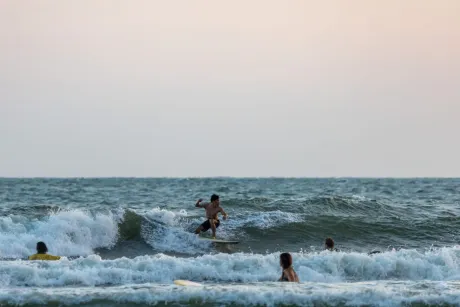
Sayulita's main surf season runs from May through October. During these months, south and southwest swells generated by storms in the Southern Hemisphere travel thousands of miles to reach this stretch of the Riviera Nayarit coast. Mornings typically bring offshore winds from the east, which groom the wave faces and create clean, well-shaped lines before the afternoon sea breeze fills in.
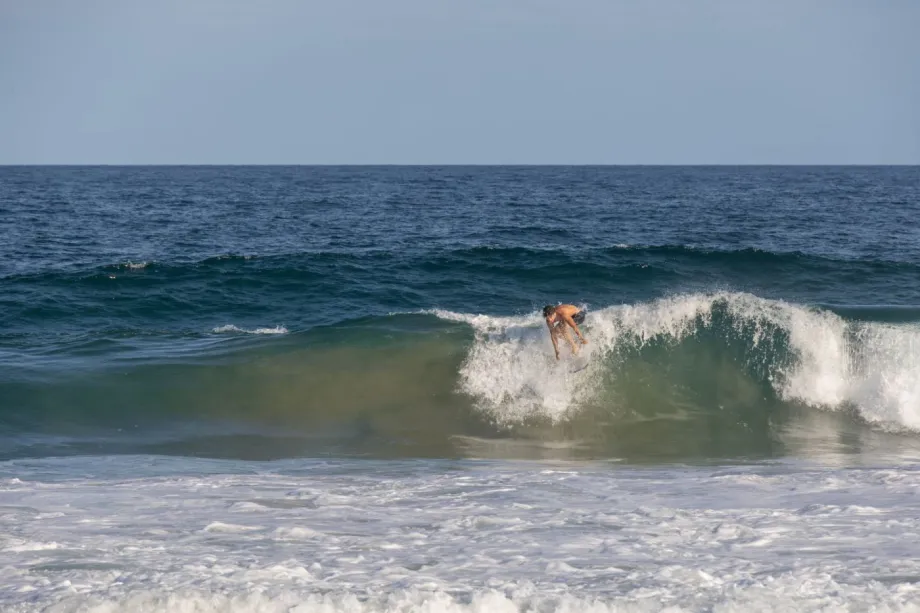
Wave size during the core season stays chest-high to overhead, with bigger pulses arriving when a stronger swell train moves through. The beach break at the main surf spot handles these directions well, offering both lefts and rights that peel over a sandy bottom. Water temperatures hover between 80 and 85 degrees Fahrenheit, so most surfers wear just board shorts or a swimsuit.
Is there a good time for beginner surfers to visit?
November through March delivers the most forgiving conditions for beginners and longboarders in Sayulita. The north swells that light up advanced breaks elsewhere back off here, leaving smaller, softer waves that break gently over the sand bottom of the main beach. Wave faces during these months typically stay in the waist- to shoulder-high range, with long, rolling shoulders that give you time to pop up and ride without getting pitched.
Water temperatures from November to March hover between 24°C and 27°C (75°F to 80°F), so a full wetsuit is unnecessary. You can comfortably surf in board shorts or a rash guard for a full two-hour session. The combination of warm water, manageable wave size and uncrowded morning lineups midweek makes this the window most local surf instructors recommend for a first trip.
How do the crowds change throughout the year?
The water gets busiest from December through March, when northern visitors arrive for the winter and the waves are at their most consistent. Mornings on the main break get crowded quickly, and you often share a peak with a dozen or more surfers by 8 a.m. Semana Santa, the week leading up to Easter, brings another intense spike as Mexican families travel to the coast.
From June through early October, the lineup thins out noticeably. Summer heat, afternoon rain showers, and smaller south-swell days keep casual crowds away. Mid-week sessions during these months feel almost private, with only a handful of locals and dedicated travelers in the water. November is a transitional month: the first solid north swells draw the early-season crowd, but the lineup hasn't yet reached its winter density.
What should I expect from the weather during surf season?
Winter months from November through April bring dry, sunny days with air temperatures around 25-28°C. Water stays warm at roughly 24-26°C, so a rash guard is usually enough. Evenings cool off noticeably, especially in January and February when a light jacket feels comfortable after sunset.
Summer surf season, May through October, means high humidity and afternoon rain showers that often clear within an hour. Air temperatures hover near 30-33°C and the ocean warms to 28-30°C, making it feel like bathwater. Mornings are typically clear and calm, with storms building in the late afternoon. A quick-dry towel and a dry bag for your gear serve you well during these months.
Are there any months when surfing is not recommended?
In September, even experienced locals watch the ocean carefully before paddling out. Hurricane season in the eastern Pacific peaks during late summer, and a storm passing well offshore can send powerful, unpredictable swells to Sayulita's coast. These conditions bring strong rip currents and overhead waves that break hard on a shallow sand bottom, leaving no room for error.
April and May present the opposite problem. During those months the North Pacific swells that fuel Sayulita's main surf season have faded, and the south swells have not yet arrived consistently. You can get a week of knee-high waves with no rideable face at all. A longboard or a foamie still lets you catch a little ripple on the best days, but a shortboard stays on the rack.
August sits in a middle ground. Afternoon thunderstorms often bring lightning that clears the water, and the river mouth break turns muddy and turbulent after heavy rain. If you paddle out in August, go in the early morning before the storm cells build up.
Frequently asked questions
Do I need a wetsuit to surf in Sayulita?
Most surfers wear board shorts or a swimsuit year-round. Water temperatures stay between 75°F and 85°F (24°C to 29°C). A thin neoprene top can help on overcast winter mornings or during long sessions when the breeze picks up.
What time of day has the best surf conditions?
Early morning, from sunrise until about 10:00 a.m., usually offers the cleanest waves with light offshore winds. Afternoon onshore breezes tend to chop up the surface, especially in the summer months.
Can I find uncrowded waves in Sayulita?
The main break in front of town gets busy, particularly on weekends and during the high season. Walking ten minutes north to Playa de los Muertos or timing your session on a weekday morning during the summer months gives you more space.
Is Sayulita a good place for intermediate surfers?
Yes. The beach break offers a mix of lefts and rights that let intermediate surfers work on turns and positioning. The summer swells provide enough push without the heavy consequences of a reef break, and the crowd thins out the farther you paddle from the river mouth.