
When Is the Best Time to Visit Puerto Vallarta for Good Weather
Puerto Vallarta delivers warm beach days almost all year, but the feel of your trip changes sharply between the dry winter months and the humid summer rainy season. Here is what to expect each month so you can pick the dates that match the vacation you want.
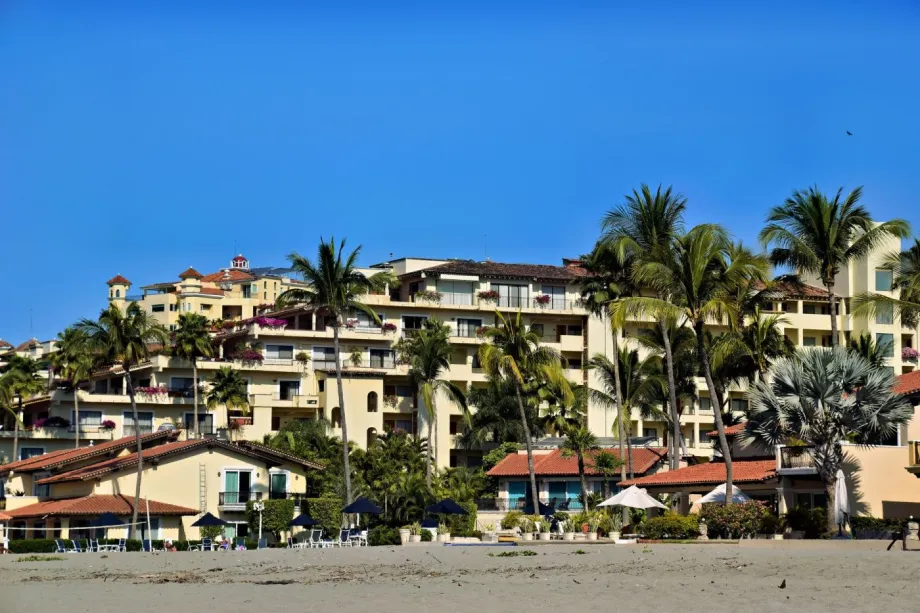
What is the weather like in Puerto Vallarta across the year
Puerto Vallarta has two distinct weather seasons: a dry, sunny period from November through May, and a warm, rainy season from June through October. Daytime temperatures stay within a comfortable range all year, typically between the mid-70s and low 90s Fahrenheit. The real difference between the seasons is humidity and how often it rains, not big temperature swings.
During the dry months you get clear skies, lower humidity, and almost no rain. Nights cool off into the 60s, which feels refreshing after a day on the beach. The rainy season brings higher humidity and short, heavy downpours that usually arrive in the late afternoon or evening. Mornings remain bright and hot, so you still get plenty of usable beach time. October and November act as transition months: the rain tapers off, the landscape stays lush from the summer storms, and the humidity drops week by week.
Which months give you the most reliable sunshine
December through April delivers the most consistent sunshine on the Pacific coast. During this stretch you get clear blue skies on roughly eight out of ten days, with only the occasional passing cloud. Humidity stays low, typically between 60 and 70 percent, so the heat feels comfortable rather than heavy. A beach day starts sunny by 8 a.m. and stays bright until sunset around 7 p.m., giving you a full outdoor day without watching the sky.
Water temperatures in these months are 75 to 78°F, warm enough for swimming and snorkeling without a wetsuit. The ocean tends to be calmer than in summer, which makes boat trips to the Marietas Islands and snorkel spots like Los Arcos smoother and more predictable. Mornings are usually glassy, with a light onshore breeze picking up in the early afternoon.
What happens during the rainy season and is it still worth visiting
The rainy season runs from June through mid-October, but it rarely brings day after day of gray skies. Mornings are typically sunny and hot, with clouds building by early afternoon. A heavy downpour hits, often lasting an hour or two, then the sun returns and the streets dry quickly. Overnight storms are also common, so you can wake up to fresh, washed-clean air.
The landscape changes during these months. The hills behind Puerto Vallarta turn a vivid green, and the jungle feels denser and more alive. Humidity is high, which can feel uncomfortable if you are not used to it, but you get fewer tourists and a slower pace around town.
A summer trip works well if you plan outdoor activities for the morning and use the afternoon rain as a natural break for a long lunch or a siesta. The main risk is a tropical storm or hurricane passing near the coast, which can bring several days of steady rain and rough surf. Check a reliable forecast before you book, and consider travel insurance if you are visiting in September, the month with the highest storm probability.
When do the crowds peak and how does that affect your stay
Puerto Vallarta gets its heaviest crowds from late December through March, when the dry season brings reliably sunny days and comfortable humidity. The absolute peak hits during Christmas, New Year's Eve and the week before Easter, when the city fills to capacity and you should expect packed beaches, long waits at restaurants and noticeably higher rental rates.
If you want the same dry-season weather without the crush, aim for late November, early December or the second half of April. These shoulder weeks still give you daytime temperatures in the low 80s Fahrenheit and almost no rain, but the winter holiday rush has not started yet or has already tapered off. You will find more space on the sand, easier dinner reservations and a more relaxed rhythm around town.
Summer tells a different story. July and August bring Mexican family vacation traffic and a smaller international crowd, so the malecón stays lively but never feels overwhelmed. November, right before the true high season kicks in, is one of the quietest months with excellent weather and a calm local feel.
What to Pack for Puerto Vallarta by Season
Puerto Vallarta’s tropical climate means your packing list shifts a bit between the dry months and the summer rainy season, but lightweight fabrics are the foundation year-round. Cotton, linen and quick-dry blends will serve you better than anything heavy, and you will rarely need more than a light sweater for air-conditioned restaurants or a breezy evening on the water.
From November through May the sun is strong and rain is scarce, so sun protection and comfortable sandals carry the load. June through October adds daily humidity and sudden downpours that dry fast but demand a few extras in your bag.
- High-SPF sunscreen and a wide-brimmed hat for the intense midday sun, even on cloudy days.
- Sturdy sandals or water shoes for rocky beaches and boat trips, plus a pair of closed-toe shoes for cobblestone streets.
- A compact travel umbrella or a packable rain shell that breathes, because summer storms arrive with little warning.
- Quick-dry shorts and a long-sleeve rash guard for water activities and snorkeling day trips.
- A dry bag or waterproof phone pouch to protect valuables during sudden showers and boat transfers.
- Insect repellent with DEET for evenings near mangroves and jungle-lined beaches during the wetter months.
How does the weather affect water activities and day trips
Winter and early spring deliver the calmest ocean conditions along Banderas Bay, with clear water and visibility often reaching 30 to 50 feet. Snorkeling around Los Arcos or the Marietas Islands is at its best from December through March, when the sea is flat and the water clarity lets you see rays, parrotfish and angelfish without stirred-up sediment. Whale watching runs from early December to late March, and tour operators rarely cancel during this window because the swells stay low.
Summer brings warmer water, more plankton and wave action that can reduce visibility to 10 to 20 feet on many days. Afternoon storms sometimes suspend boat trips to the Marietas Islands or Yelapa, so morning departures become the safer bet from June through October. Surf breaks pick up on the north shore around Sayulita and San Pancho, drawing surfers even when snorkeling tours stay docked. Rivers swell with rain, making waterfall hikes and jungle ATV routes muddier but fuller, so guides typically shift start times earlier to stay ahead of the clouds.
Frequently asked questions
What is the hottest month in Puerto Vallarta
July and August tend to be the hottest, with daytime highs often reaching the low 90s Fahrenheit and humidity making it feel warmer. The ocean stays very warm, and the breeze near the water helps, but you will want air conditioning for comfortable sleep.
Does it rain all day during the rainy season
No. Most rain falls in short, heavy bursts in the late afternoon or overnight, and mornings are frequently sunny. A full day of steady rain is rare, though a passing tropical storm can bring overcast skies for a day or two.
When is hurricane season and should I worry about it
Hurricane season officially runs from June through November, with the highest chance of a storm passing nearby in September and October. Direct hits on Puerto Vallarta are uncommon, and local hotels and authorities are well prepared, but flexible booking and travel insurance are smart precautions.