
Market shopping and cooking in a Riviera Nayarit rental
Hot tortillas by the kilo, limes by the bag and fish bought off the sand make cooking in a rental kitchen on the Nayarit coast easy. A few simple habits with water and produce keep it relaxed.
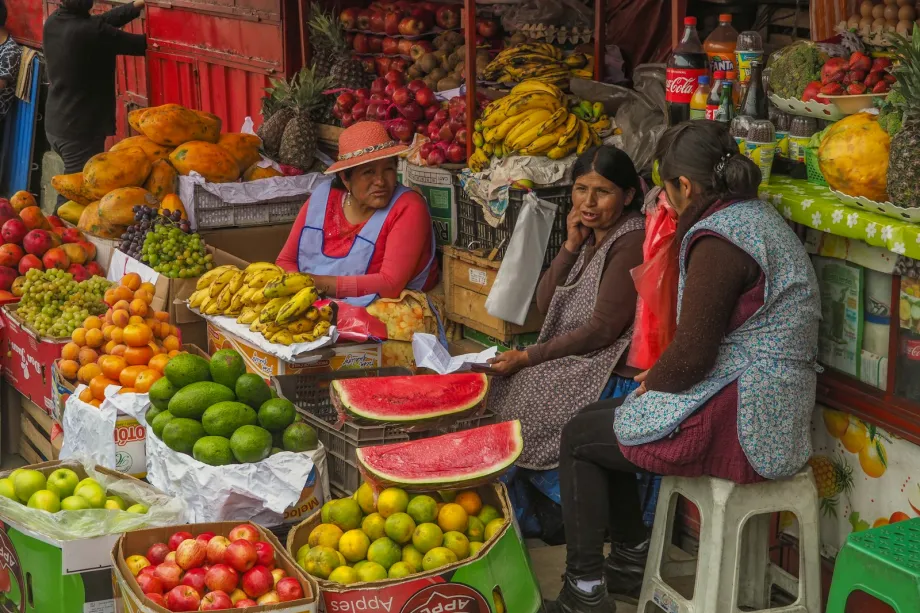
Shopping like a local
A rental with a kitchen changes the shape of a trip on the Pacific coast. Instead of eating every meal out, you cook with what you find on the street and at the beach. Coastal towns run on fresh food: boats come in early, bakeries fire up before dawn and produce arrives from inland farms.
Cooking does not have to mean long hours at the stove. Coastal ingredients have plenty of flavor on their own. Lime, salt and chopped cilantro turn plain fish or vegetables into a meal. The main thing is knowing where to buy what.
The weekly market
The tianguis, the open-air street market, is the big shopping event of the week in most towns. Stalls run along closed-off streets under colored tarps from early morning until early afternoon, and each town has its own day.
At the tianguis you find fruit, vegetables, cheese and spices that supermarkets rarely carry: papayas, bananas, mangoes and passion fruit in season, piles of tomatillos, several kinds of fresh chile, tomatoes, and bunches of cilantro and epazote.
Bring small bills, because vendors may not have change for large notes. A sturdy bag or basket is handy. Prices are often marked per kilo or per pile. Take your time, compare a few stalls, and do not be surprised if a vendor slices off a piece of fruit for you to try.
Tortillas and everyday produce
For daily basics you do not need to wait for market day. Small corner shops, known as abarrotes, stock eggs, milk, oil, canned goods and other staples. For fresh corn tortillas, head to a tortillería.
You can usually find one by the smell of toasted corn and the clatter of the machine. Tortillas roll off a conveyor hot and are sold by weight, often by the half kilo or kilo, wrapped in paper. At home, keep them in a clean cloth to stay warm and soft. They go with almost every lunch and dinner.
Fruit and vegetable shops, fruterías, open daily on the main streets with avocados, limes, onions, garlic and seasonal fruit. Buy plenty of limes: they are seasoning, dressing and marinade all at once. Heavy limes with smooth, thin skin tend to be the juiciest.
Fish from the beach
Fresh fish is easy to find if you are out in the morning. Small boats return to shore early, and the catch is often sold on the sand or at simple tables near where the boats come in. Pescaderías sell fish and shrimp through the day.
What you find depends on the day, but snapper, mahi-mahi and other local fish are common, along with shrimp sold by size. With whole fish, look for clear eyes, shiny skin and flesh that springs back when pressed. It should smell of the sea and nothing stronger.
Ask, and the seller will usually scale, gut and fillet it for you, which saves mess in a rental kitchen. Keep fish cold on the way home and in the fridge until you cook it, ideally the same day.
Water in the kitchen
Tap water in Mexico is generally not considered safe to drink. In most rentals it is fine for washing dishes, but use purified water for drinking, ice and anything you will eat raw.
Most rentals supply a garrafón, a large jug of purified water. When it runs out, swap the empty at a corner shop or flag down the water truck that drives through the neighborhood.
For raw fruit and vegetables, rinse off dirt first, then soak them in purified water with produce-disinfecting drops, sold in supermarkets and pharmacies. Follow the instructions on the bottle. Fruit you peel, such as bananas, mangoes and papayas, just needs the skin washed before peeling. If you have any health concerns about food, follow your own doctor's advice.
Easy meals for a rental kitchen
Dishes that use one pan and few ingredients work best in a vacation kitchen.
Fish tacos
Season white fish fillets with salt, pepper and a little garlic. Cook them in a hot pan with a little oil until just cooked through, then break them into flakes. Warm tortillas on a dry pan until soft. Fill with fish, shredded cabbage, sliced avocado and a squeeze of lime.
Ceviche
Raw dishes are handy on hot days because they need no stove. Use only very fresh fish from a seller you trust. Cut it into small cubes, cover with lime juice and refrigerate until it turns opaque. Drain off some of the juice and mix in diced tomato, red onion, cilantro, chopped serrano chile and salt. Serve cold with tostadas or tortilla chips.
Guacamole and salsa fresca
Mash ripe avocados with a fork, leaving some texture, and stir in diced white onion, cilantro, lime juice and salt. For salsa fresca, combine diced tomato, onion, chopped jalapeño, cilantro and lime juice, and let it sit for a while so the flavors come together.
Keeping the kitchen tidy
Ants and other insects find food fast in the tropics. Keep sugar, bread and open packets in the fridge or sealed containers, wipe counters after cooking and take fish scraps and food waste out in tied bags. With a few habits like these, shopping and cooking become one of the best parts of a stay on the coast.
Frequently asked questions
What is a tianguis?
A tianguis is an open-air street market held on a set day of the week. Vendors sell produce, spices, household goods and snacks under tarps. Each town has its own market day, so ask locally.
Can I use tap water in a rental kitchen?
Tap water is generally not considered safe to drink in Mexico. Most rentals supply large jugs of purified water for drinking, making ice and rinsing food you will eat raw. Ask your host how the property handles it.
Where can I buy fresh fish?
From fishermen on the beach when the boats come in, or from small fish shops called pescaderías. Go in the morning for the best choice.