
Dry season or rainy season on the Nayarit coast
Brown hillsides and blue skies in winter, green jungle and evening thunderstorms in summer. The Nayarit coast runs on two seasons rather than four, and each one changes the weather, the sea, the crowds and what goes in your bag.
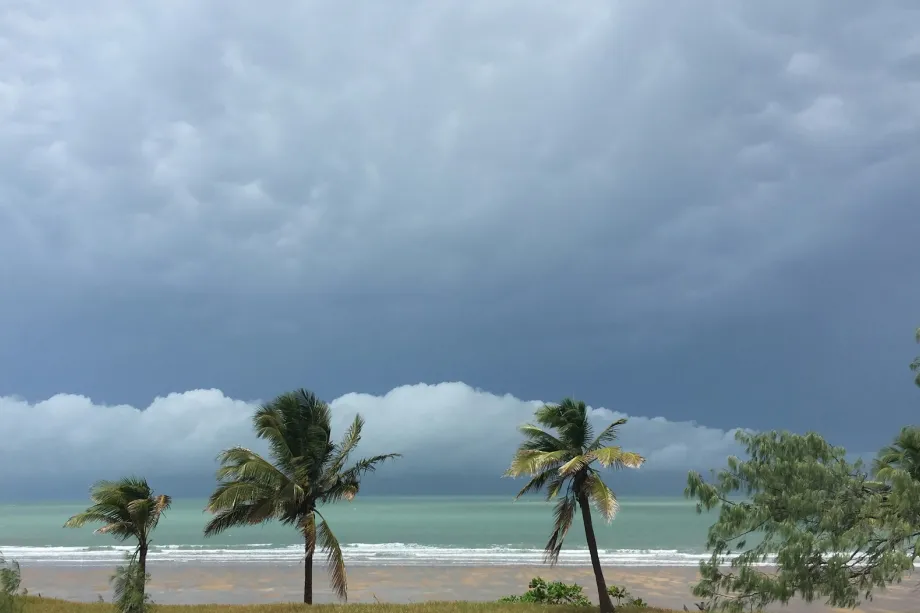
The coast of Nayarit has a tropical climate with two main seasons: a sunny dry season through winter and spring, and a hot, wet season through summer and early fall. Reliable sunshine and lively towns point to winter; warm water, green hills and quieter beaches point to summer.
The dry season, roughly November to April
This is when most first-time visitors come, and it is easy to see why. One day tends to look much like the next, which makes planning simple.
Weather and daily rhythm
Days are warm and sunny, and the heat is gentle enough to walk around town, browse the market or hike a coastal trail without wilting. Mornings near the water can feel fresh.
Humidity eases as the rains end. Evenings can be cool enough for a light sweater or long pants, especially in January and February, and many people sleep comfortably with only a ceiling fan and open windows.
The sea in winter
The water cools in winter. It is still fine for swimming, but an early dip can feel brisk, and some surfers wear a thin wetsuit top.
With no river runoff, the sea is often clearer, which is good for snorkeling and boat trips. Winter is also humpback whale season, roughly December to March, and blows or breaches can sometimes be seen from headlands and beaches.
Crowds and prices
This is high season. Visitors from colder places arrive in numbers, and the Christmas and New Year holidays and Easter week (Semana Santa) are the busiest times of all, with Mexican families heading to the beach too.
Accommodation costs the most now, and good places fill up early. Town beaches get busy by midday, and popular restaurants can fill at dinner time. Book well ahead for these months.
The rainy season, roughly June to October
May is the hot, humid run-up. The hills are dry and brown, and everyone waits for the first rain.
Heat, humidity and storms
Once the rains start, usually in June, the landscape turns green very quickly. It is hot and sticky for most of the season.
Rain tends to follow a daily pattern rather than settling in for days. Mornings are often bright. Clouds build over the mountains during the day, and storms break in the late afternoon or at night, sometimes with heavy rain, lightning and loud thunder. Afterward the air cools for a while before the humidity returns.
Tropical storms and runoff
Late summer and early fall are the peak of the Pacific hurricane season. Direct hits are not common, but storms passing offshore can bring days of rain, wind and big surf. Keep an eye on forecasts and follow local advice if a storm is approaching.
Heavy rain washes soil and debris into rivers and the sea. Near river mouths the water turns brown, and visibility for snorkeling drops. Dirt streets in small towns get muddy, and short power cuts can happen during storms.
Quieter beaches and lower rates
The upside is space. Beaches that are crowded in January can be close to empty in July, and many hotels and rentals lower their rates after Easter. Some small restaurants and shops close for a few weeks, often around September, so check before you build a plan around one place.
Insects and waves through the year
Biting insects
Mosquitoes and jejenes, the tiny biting midges also called no-see-ums, live on the coast all year but multiply in the wet season. Standing water in the forest, mangroves and around rivers gives them places to breed.
Jejenes are most active on still mornings and around sunset, especially on beaches without wind. The bites are small but can itch for days. In winter there are far fewer insects, although estuaries and lagoons can still be buzzing at dusk.
Water temperature and surf
The sea warms through spring and summer and is at its warmest in late summer and early fall, when you can stay in for a long time without getting cold.
The surf changes with the seasons as well. Winter swells generally come from the northwest and light up the point breaks. Summer brings swells from the south that hit the beaches differently, and storm swells can create strong rip currents. In any season, watch for flags and ask locally before swimming at an unfamiliar beach.
Packing for each season
What feels right in January will feel heavy in August.
For the dry season:
- light long sleeves or a layer for cool evenings
- a sweater, hoodie or light fleece
- walking shoes and comfortable sandals
- a wide-brimmed hat and sunglasses
- a thin wetsuit top if you plan early swims or surf sessions
For the rainy season:
- loose clothes in linen or quick-drying fabric
- a compact rain jacket or poncho
- insect repellent with DEET or picaridin
- something to soothe bites
- sandals with grip for wet paths
- a dry bag for your phone when the afternoon storm arrives
Frequently asked questions
What are the driest months on the Nayarit coast?
The winter and spring months, roughly December through April, are usually the driest, with clear skies and lower humidity. January and February are reliably sunny, though an occasional winter shower is possible.
Is the rainy season a bad time to visit?
Not necessarily. Rain often comes as short, heavy storms in the late afternoon or at night, with sunny mornings and green hills. It is hot and humid, some businesses close, and late summer brings a risk of tropical storms.
When is the sea warmest?
Late summer into early fall is usually the warmest. In winter the water is still swimmable but feels noticeably cooler, especially early in the morning.
What should I pack for summer?
Light, quick-drying clothes, a rain jacket or poncho, sandals that dry fast and a good insect repellent. Clothes take longer to dry in the humidity.