
Day trips from La Peñita and Guayabitos
Ancient rock carvings in a jungle stream, a mangrove channel full of herons and a horseshoe bay with palapa restaurants are all within a day's reach of Jaltemba Bay. Each of the five outings below gets you back to La Peñita or Guayabitos by evening.
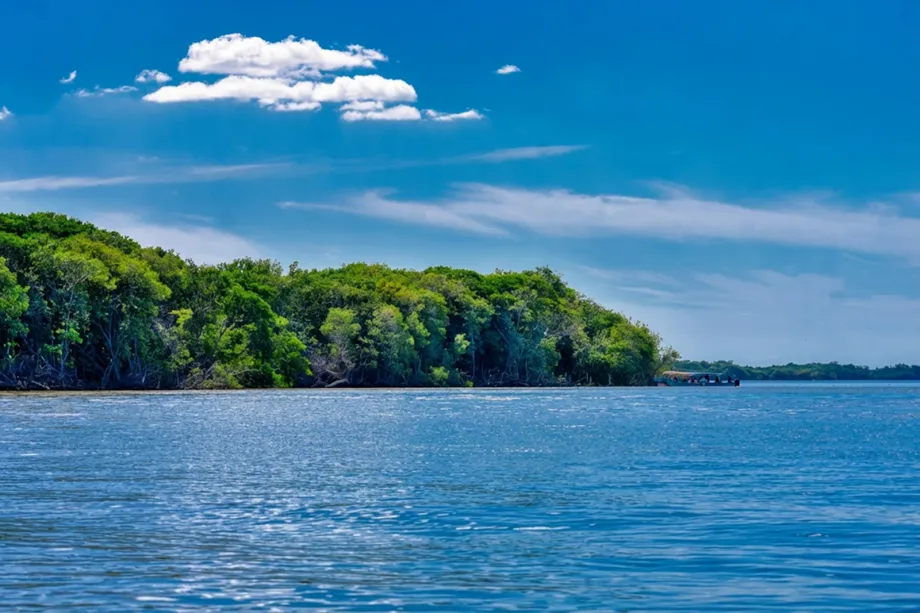
Jaltemba Bay makes a good base. Guayabitos has the calm swimming beach, La Peñita has the shops and market, and Highway 200 runs past both, linking the coast to the hills inland. From here you can spend a day on an island, on a jungle trail, in a mangrove estuary or in the city and still sleep in the same bed.
Distances are modest, but travel times depend on traffic, road works and how often you stop for fruit. Start early and you will have the best light and the calmest sea.
Isla del Coral
The closest outing is the small rocky island facing the beach at Guayabitos. Pangas carry visitors across from the sand, and the crossing takes only a short while on a calm morning.
The water around the island is often clear, with reef fish around the rocks and seabirds overhead. Facilities are basic, so take water, sun protection and anything else you need. Mornings tend to be calmer before the afternoon breeze picks up. Snorkel gear is usually available to rent near the boats, and a dry bag helps, because boarding often means wading in.
The Alta Vista petroglyphs
Inland from the coast, the wooded hills of the Sierra de Vallejo rise behind the highway. Along a stream in these hills is Alta Vista, a site where boulders are carved with spirals, figures and other symbols left centuries ago.
Access is from Highway 200 near the town of Las Varas, along a dirt road and then a short walk on a trail beside the stream. The site is considered sacred by the Wixárika (Huichol) people, and visitors sometimes see offerings left by the water. Treat it as a place of worship: stay on the path, do not touch or climb on the carvings and leave nothing behind.
The ground is rocky and uneven, so wear sturdy shoes or hiking sandals. The stream changes with the seasons: after the summer rains the pools fill up, while in the dry months more of the rock is exposed. Bring water and repellent, because the shade under the trees is popular with mosquitoes. Check access and opening arrangements locally before you go, as they can change.
Chacala
North of La Peñita, a paved side road leaves the highway and winds through green coastal forest to Chacala, a small fishing village on a curved bay backed by hills and coconut palms.
The beach has soft sand and usually moderate surf, good for swimming or a bodyboard on gentle days. Palapa restaurants along the sand serve fish and shrimp straight from the boats, often grilled over wood or charcoal.
It is a place to slow down: swim, walk the few village streets, watch the boats come in and stay for a long lunch. The mood is noticeably quieter than in the bigger towns to the south.
San Blas and La Tovara
Farther north, the old port of San Blas makes a full day out. The town played a part in Spain's Pacific trade, and the ruins of its hilltop fort and church are worth a look for the view alone.
The main draw is La Tovara, a spring-fed river that winds through mangroves to the sea. Boat trips leave from landings near town and follow narrow channels under arching roots and branches. Herons, egrets, kingfishers and other water birds are common, turtles sun themselves on logs, and crocodiles are often seen along the banks.
Trips usually stop at the spring, where there is a fenced swimming area away from the crocodiles. San Blas is well known for its sand flies, called jejenes, which bite most on calm mornings and evenings. Put on repellent before you get in the boat and wear light long sleeves if you have them.
Puerto Vallarta
Heading south along Highway 200 brings you to Puerto Vallarta, the largest city in the area, set on the wide sweep of Banderas Bay. It is a complete change of pace from the small towns of Nayarit.
Most day visitors focus on the old center and the Zona Romántica. The malecón runs along the waterfront with bronze sculptures and street performers, and a few blocks inland stands the Church of Our Lady of Guadalupe with its crown-topped tower.
The streets south of the river are full of galleries, bakeries, small shops and taco stands. Cobblestones are uneven, so good shoes help. Leave early to make the most of daylight, and aim to head back north before evening traffic builds.
What to pack for a day out
Days around Jaltemba Bay move between beach, forest and wetland, so a small kit covers most situations:
- pesos in small bills for boats, entry points, buses and fruit stands
- insect repellent for jungle trails and the mangroves
- reef-friendly sunscreen, a hat and sunglasses
- a dry bag for your phone and a change of clothes
- sturdy sandals or walking shoes with grip
- a refillable water bottle
Frequently asked questions
What is the easiest day trip from Guayabitos?
Isla del Coral, the small island in Jaltemba Bay. Boats leave from the beach at Guayabitos, the crossing is short, and you can snorkel for a few hours and be back for lunch.
Do I need a rental car for these trips?
A car makes Alta Vista and San Blas easier. Buses run along Highway 200 between the coastal towns, and taxis can cover short stretches such as the road down to Chacala.
Will I need insect repellent?
Yes, for the jungle trail at Alta Vista and especially for the mangroves around San Blas, where mosquitoes and tiny biting sand flies are common around dawn and dusk.
Should I carry cash on day trips?
Yes. Boat captains, small food stalls and rural entry points generally take pesos only. Bring small bills.