
Small inn or private casita on the Riviera Nayarit
Breakfast on a shared courtyard or coffee alone on your own porch sums up the choice between a small inn and a private casita on the Nayarit coast. Trip length, privacy, cooking and how much help you want from a host all shape which one fits.
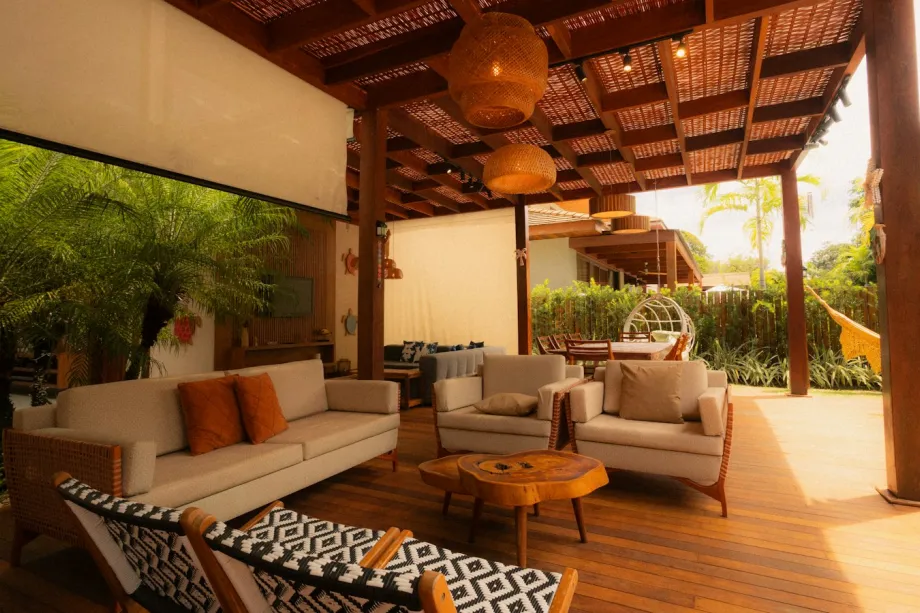
Two ways to stay on the Nayarit coast
North of Puerto Vallarta, the coast is lined with beach towns, former fishing villages and farming communities, and many visitors look for something smaller than a resort tower. The choice usually comes down to two styles of lodging: a small inn or a standalone casita.
A small inn runs much like a bed and breakfast. The owner or a manager looks after a handful of rooms set around a courtyard, garden or pool. A casita is a self-contained cottage or apartment with its own kitchen and living space. You will find both in towns from Bucerías and Sayulita up to Lo de Marcos and Jaltemba Bay. Which suits you depends on how you like to handle daily routines, privacy and neighborhood noise.
Privacy and company
A small inn is the easy option. You arrive, settle into your room and share the terrace or loungers with a few other guests. Conversations start over morning coffee, and solo travelers and couples who like meeting people tend to enjoy that.
Families and groups usually lean toward casitas. Extra space makes a real difference with beach gear, strollers and children on different sleep schedules. Parents can put kids to bed in one room and sit on the patio without whispering.
Over a long stay, privacy matters more. Three weeks in an inn room can start to feel a little public. A casita lets you spread out, keep your own hours and close the door at night.
Breakfast and kitchens
Small inns usually include breakfast. A typical spread might be tropical fruit, eggs, salsa, tortillas, juice and coffee. It gives the day a starting point and saves hunting for an open café first thing.
Casitas are about self-catering. Most have a full kitchen or a kitchenette with a gas stove, fridge and basic cookware. Cooking changes how you experience a town: you get to know the tortillería, the fruit stand, the butcher and the weekly market, and buying hot tortillas becomes part of the morning walk.
Cooking also helps with dietary needs and keeps costs down on long trips. The trade-off is washing up, taking out trash and keeping food sealed so ants do not find it.
Having a host nearby
A resident host makes settling in easier. Innkeepers usually live on site or close by and know which boat captains are reliable, which day the market sets up and where fish comes in. If a pipe leaks or a storm knocks out power, they deal with it.
Casita hosts vary. Some live in a main house on the same property and are happy to share advice. Others manage remotely and leave keys in a lockbox. In that case you sort out small things yourself: ordering a water jug refill, restarting the router, finding a laundry. Independent travelers often like that. First-time visitors to Mexico may find an innkeeper's presence reassuring.
Village sounds
These are working Mexican towns, not gated resorts. Sound carries through screened windows and tiled rooms, and daily life happens outdoors.
Roosters crow before dawn. Trucks roll through playing recorded jingles to sell gas, purified water or tamales. Dogs bark, and music drifts over from homes and beach restaurants, especially on weekends and holidays.
Inns sometimes soften this with high courtyard walls, thick masonry and garden planting. A standalone casita in a residential street puts you right in the middle of neighborhood life. In either case, earplugs and a fan at night make a noticeable difference. It also helps to ask the host about anything nearby that could affect sleep, such as a beach bar, a church with early bells or a weekend dance hall, before you book.
Long winter stays
Winter is the busy season, roughly November through April, when visitors from colder places come south for weeks or months. Popular properties book up well ahead.
Casitas are the usual choice for month-long stays. Owners often offer weekly or monthly rates. Utilities are handled differently from place to place: some rates include electricity, water and internet, while others bill electricity separately from the meter. Air conditioning uses a lot of power, so ask how it is charged before you agree.
Some inns take long-stay guests, but nightly room rates usually make extended stays more expensive than a casita, and continuous multi-week bookings can be hard to secure in peak months. Whichever you choose, get the rate, deposit, cancellation terms and what is included in writing before you send money.
Choosing between them
Pick a small inn if you want breakfast made for you, someone on hand to help and a bit of company without grocery shopping. It suits short trips, solo travelers and first visits.
Pick a casita if you want room to spread out, a real kitchen and full control of your schedule. It suits families, independent travelers and anyone staying several weeks. Either way, you will be close to the beach, the market and the everyday life of a Nayarit coastal town.
Frequently asked questions
What is the difference between a small inn and a casita?
A small inn works like a bed and breakfast, with private rooms, shared common areas and usually a morning meal. A casita is a self-contained cottage or apartment with its own kitchen and entrance.
Are casitas better for long winter stays?
Often, yes. A kitchen and extra space matter more over several weeks, and many owners offer weekly or monthly rates. Ask what utilities the rate includes.
How noisy are Nayarit beach towns at night?
Expect roosters, dogs, street vendors and music from neighbors or restaurants. Inns with walled courtyards can buffer some of it. Earplugs and a fan help in either setting.