
Beach towns north of Puerto Vallarta
Surf breaks, a quiet grid town and a sheltered swimming bay all sit within a short stretch of Highway 200 north of Puerto Vallarta. Sayulita, San Pancho, Lo de Marcos, Guayabitos and La Peñita each suit a different kind of beach day.
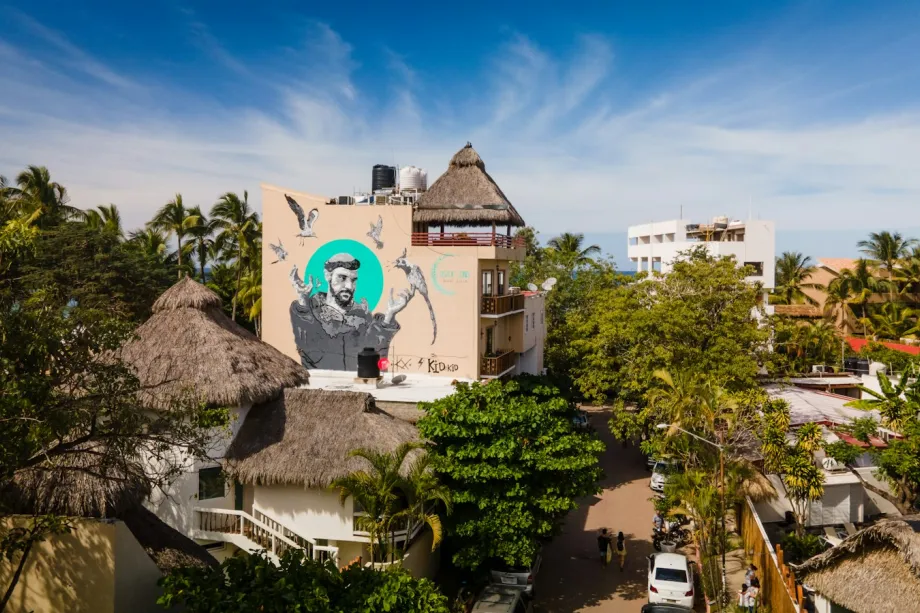
Highway 200 leaves the Puerto Vallarta airport heading north, crosses the Ameca River into Nayarit and runs up the coast past a string of beach towns. They share the same ocean and the same road, yet each has its own character, from busy surf town to sleepy fishing village.
You do not need a rental car or a complicated plan to see several of them. Buses run up and down the highway through the day. One approach is to base yourself in one town and make day trips; another is to move up the coast a few nights at a time. Either way, you can start a morning on a surf beach full of longboards and finish the afternoon in a bay where the water barely moves.
Sayulita: surf and a lively plaza
Sayulita sits where a small river valley meets a curved bay. It is the best known town on this stretch, with colorful streets, shops and cafés around the plaza, and people out from morning until late.
The main beach has a steady wave that suits beginners, and surf schools line up boards on the sand. Because the bay is open to the swell, swimmers share the water with surfers and need to keep an eye on the lineup. A walk south over the headland brings you to Playa de los Muertos, a smaller cove that is often calmer.
Food stands and small restaurants fill the blocks near the water. The crowd is a mix of surfers, long-stay visitors and weekenders, and the town gets very busy in the winter high season.
San Pancho: roomier and quieter
A short drive north is San Francisco, almost always called San Pancho. The difference shows straight away: wider streets, fewer crowds and a strong sense of community.
The main street leads to a broad beach that faces the open Pacific. The shorebreak can be powerful and currents run strong, so it is better for watching waves, walking or experienced surfing than for casual swimming. In the evening, people gather on the sand for the sunset.
The town has a reputation for community projects and a relaxed arts scene. Restaurants range from taco stands to garden cafés, and the pace stays calm even on weekends.
Lo de Marcos: slow days and a long beach
Farther north, Lo de Marcos gives a sense of how this coast felt before tourism grew. The town follows a simple grid around a shaded plaza and parish church.
The beach runs along an open bay with sand that slopes gently into the water. Waves depend on the swell, but they are often gentler than in San Pancho, and the long shoreline is good for walking. Pangas rest on the sand when they are not out fishing.
Life here moves slowly. Neighbors chat on corners in the evening and children play in the plaza. Lodging is mostly small guesthouses, rental homes and RV parks, with no large resorts or loud nightlife.
Rincón de Guayabitos and La Peñita
Farther north again, two neighboring towns share Jaltemba Bay.
Guayabitos: calm water for swimming
Rincón de Guayabitos lines the sheltered part of the bay. Isla del Coral sits offshore, and the beach shelves gently, so the water near shore is often quiet and shallow. It is one of the easier places on this coast for relaxed swimming, though it is still the open Pacific and conditions vary.
The town is popular with Mexican families, and on holiday weekends the sand fills with umbrellas, banana boats and vendors selling grilled fish on sticks. It is sociable, a little noisy and good fun.
La Peñita: everyday town life
Right next door, La Peñita de Jaltemba is the working town of the bay, with banks, pharmacies, shops and fishing boats. A malecón runs along the rocky shore with views across to the island, and the Thursday market draws shoppers from all around the bay.
Surf or calm water
The coastline alternates between beaches open to the swell and sheltered bays, so conditions can change a lot over a short distance.
Sayulita and San Pancho face the open ocean. Sayulita's break is friendly for learning, though the water is crowded. San Pancho has heavier waves and a steeper beach, with strong breaking surf close to shore.
Lo de Marcos usually sits somewhere in the middle, with moderate swimming on many days. Guayabitos is the most sheltered and the usual choice for non-surfers who want an easy swim. On any beach, watch for red flags, ask locals about currents, and stay out when the surf is up.
Getting between towns by bus
Public transport makes hopping between these towns simple. Buses run along Highway 200 from early morning into the evening.
Some buses go into town centers; others stop at the highway turnoff, where you can walk in or take a taxi. You can flag a bus down from the roadside. Pay the driver in cash, and keep small bills and coins handy.
Frequency and journey times vary with the time of day, the route and traffic, so leave some slack in your plans and ask at your lodging about the last bus back. With that in mind, a day trip from Jaltemba Bay to Sayulita, or the other way round, is easy to manage without a car.
Frequently asked questions
Which town north of Puerto Vallarta has the calmest water?
Rincón de Guayabitos is usually the calmest. It sits in the sheltered part of Jaltemba Bay, and the beach shelves gently, which suits families and casual swimmers. Conditions still change with the swell, so check before going in.
Can you travel between these towns without a car?
Yes. Local and regional buses run along Highway 200 and stop at the turnoffs or in the towns. Fares are paid in cash, and a taxi covers the stretch from the highway to the beach if the bus does not go in.
How do Sayulita and San Pancho compare?
Sayulita is busier, with a lively plaza and a beginner-friendly surf break. San Pancho is quieter, with wider streets, but its beach faces open swell and can have a strong shorebreak and currents.